
The trading industry is undergoing a major shift. What was once a capital-intensive field is now becoming more accessible, driven by data, artificial intelligence (AI), and innovative funding models like Pay After You Pass (PAP).
At first glance, the PAP model appears to be a simple pricing change—trade first, pay later. In reality, it represents a deeper transformation in how traders enter the market, how performance is evaluated, and how platforms continuously improve.
A New Way to Think About Making Money in Trading
Traditional trading required:
- Significant personal capital
- High financial risk
- Limited access to professional-level funding
Today, traders are increasingly looking for:
- Low-risk entry models
- Skill-based earning opportunities
- Technology-supported decision-making
The Pay After You Pass model, combined with AI and data analytics, directly addresses these needs. It shifts trading from a capital-driven activity to a performance-driven system.
Understanding the Pay After You Pass Model
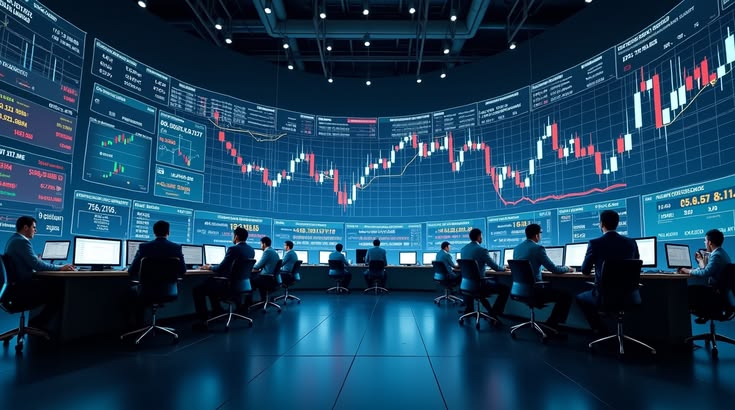
In a traditional prop trading setup, traders must pay upfront to join evaluation challenges. This often creates hesitation, especially for beginners.
The PAP model removes this barrier:
- Traders start without large upfront fees
- They prove their ability through real performance
- Payment is required only after passing the evaluation
This creates a key shift:
Traders are no longer paying for access—they are earning opportunity through skill.
This distinction significantly impacts behavior, motivation, and participation rates.
The Role of Data in Modern Prop Trading
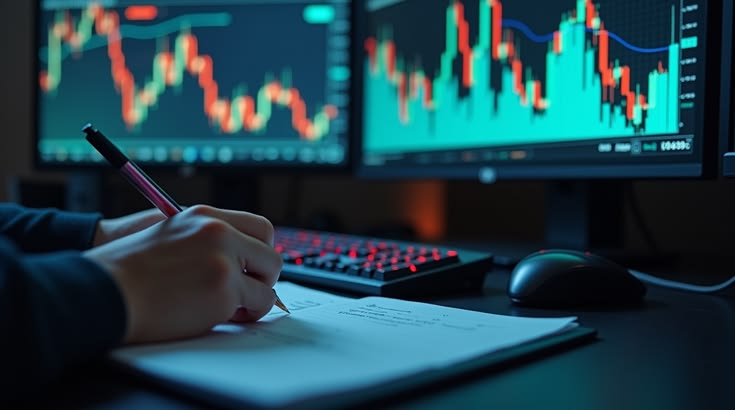
In today’s trading environment, data is more than just performance history—it is the foundation of improvement.
Every trade generates insights, including:
- Entry and exit behavior
- Risk management patterns
- Emotional responses to wins and losses
- Strategy consistency over time
These behavioral datasets allow platforms to:
- Identify what makes traders successful
- Detect common mistakes
- Continuously refine evaluation criteria
As more traders join, the system becomes more intelligent. This creates a feedback loop where participation drives platform evolution.
How AI Transforms Trading Performance
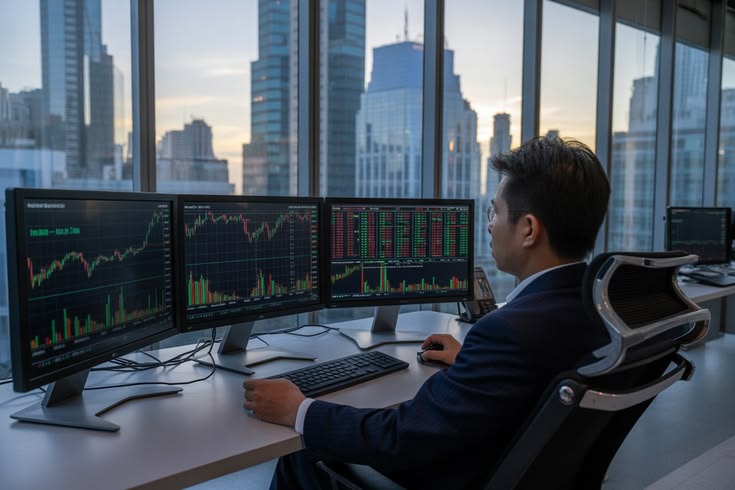
Artificial intelligence is what turns raw data into meaningful insights.
1. Personalized Performance Analysis
AI evaluates individual trading behavior and provides tailored feedback:
- Strengths and weaknesses
- Risk patterns
- Strategy inefficiencies
This replaces generic advice with data-driven personalization.
2. AI as a Trading Coach
AI systems can:
- Monitor performance in real time
- Detect repeated mistakes
- Suggest improvements before losses escalate
For traders without access to mentors, this acts as a built-in coaching system.
3. Continuous System Optimization
AI improves the platform itself by:
- Identifying high-performing strategies
- Filtering ineffective behaviors
- Enhancing evaluation accuracy
This leads to a compounding improvement effect across the entire ecosystem.
The Invisible Advantage of the PAP Model
Most traders focus on the obvious benefit: lower financial risk.
However, the real advantage lies in a self-reinforcing system:
- Lower entry barriers → More traders join
- More traders → More data generated
- More data → Smarter AI systems
- Smarter AI → Better trader performance
- Better results → Increased trust and growth
This cycle creates a scalable competitive advantage that traditional models cannot easily replicate.
Changing the Trader Mindset
One of the most impactful changes is psychological.
Traditional Model Mindset:
“I paid for this challenge—I need to recover my cost.”
Pay After You Pass Mindset:
“I need to prove my strategy works.”
This shift:
- Reduces emotional trading
- Encourages discipline
- Improves consistency
When combined with AI insights, traders move from reactive decision-making to structured improvement.
Aligning Incentives Between Traders and Platforms
In many traditional models, firms profit regardless of trader success.
With PAP:
- Platforms benefit when traders succeed
- Traders receive support to improve performance
- Both sides share aligned goals
This creates a more transparent and trust-based relationship, which is critical in the prop trading industry.
Why This Model Represents the Future of Trading
The combination of Pay After You Pass + Data + AI signals a broader industry shift:
- From capital-based access → to skill-based access
- From static systems → to adaptive, learning ecosystems
- From individual effort → to technology-supported performance
This opens opportunities for:
- New traders with limited capital
- Individuals seeking scalable income models
- Traders aiming for professional-level growth
Final Thoughts
The Pay After You Pass model is not just a pricing innovation—it is part of a larger transformation powered by data and artificial intelligence.
Together, these elements create a system where:
- Barriers to entry are reduced
- Performance is continuously improved
- Platforms evolve alongside traders
The real advantage is not simply paying later. It is participating in a system where:
- Every trade generates insight
- Every mistake becomes feedback
- Every success strengthens the ecosystem
For traders looking to build long-term skills and access meaningful capital, this model represents a forward-thinking, scalable, and performance-driven path in modern trading.

